Sudden Achilles Tendon Rupture

An Achilles tendon rupture is a serious injury where the strong band connecting the calf muscle to the heel tears completely or partially. It often happens during sudden movements such as jumping, sprinting, or quickly changing direction. Many people describe a sharp pain or a popping sensation in the back of the ankle, followed by difficulty walking or pushing off the foot. Causes may include overuse, tight calf muscles, or weakened tendon tissue over time. The injury can appear without warning, even in people who are active but not conditioned properly. A podiatrist can confirm the diagnosis through examination and imaging, then guide treatment which may include bracing, immobilization, or surgical repair to restore strength and function. If you have injured your Achilles tendon, it is strongly suggested that you visit a podiatrist.

Achilles tendon injuries need immediate attention to avoid future complications. If you have any concerns, contact one of our doctors of The Ankle and Foot Clinic of Northern Virginia, PLLC. Our doctors can provide the care you need to keep you pain-free and on your feet.

What Is the Achilles Tendon?

The Achilles tendon is a tendon that connects the lower leg muscles and calf to the heel of the foot. It is the strongest tendon in the human body and is essential for making movement possible. Because this tendon is such an integral part of the body, any injuries to it can create immense difficulties and should immediately be presented to a doctor.

What Are the Symptoms of an Achilles Tendon Injury?

There are various types of injuries that can affect the Achilles tendon. The two most common injuries are Achilles tendinitis and ruptures of the tendon.

Achilles Tendinitis Symptoms

  • Inflammation
  • Dull to severe pain
  • Increased blood flow to the tendon
  • Thickening of the tendon

Rupture Symptoms

  • Extreme pain and swelling in the foot
  • Total immobility

Treatment and Prevention

Achilles tendon injuries are diagnosed by a thorough physical evaluation, which can include an MRI. Treatment involves rest, physical therapy, and in some cases, surgery. However, various preventative measures can be taken to avoid these injuries, such as:

  • Thorough stretching of the tendon before and after exercise
  • Strengthening exercises like calf raises, squats, leg curls, leg extensions, leg raises, lunges, and leg presses

If you have any questions please feel free to contact our office located in Gainesville, VA . We offer the newest diagnostic tools and technology to treat your foot and ankle needs.

Read more about Achilles Tendon Injuries

Causes and Risk Factors for Heel Bone Pain

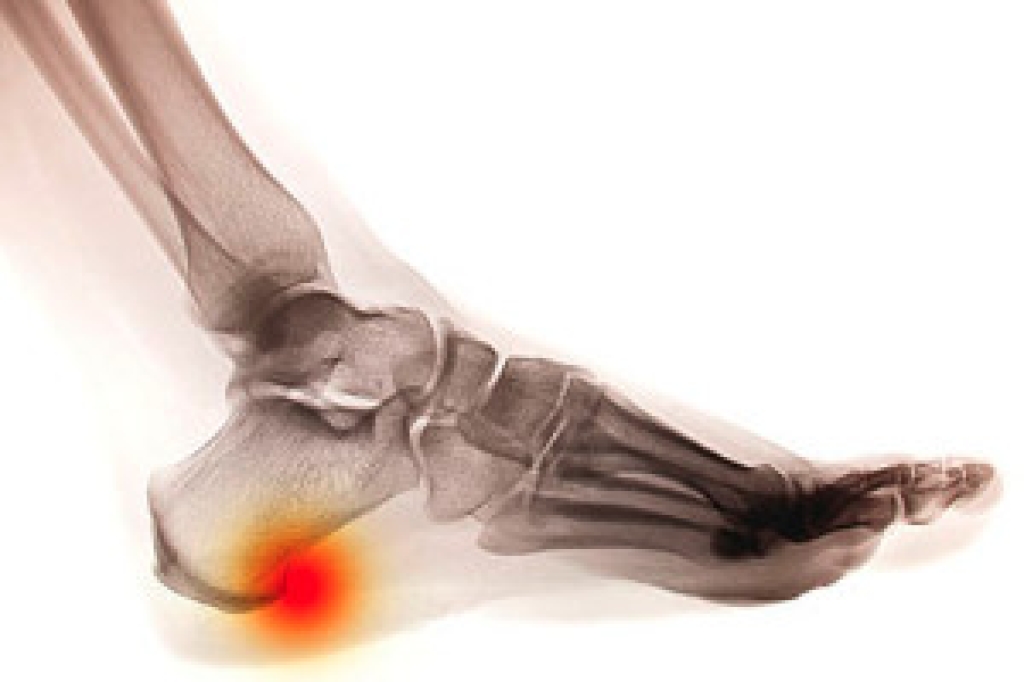
Heel bone pain can develop when the heel absorbs repeated stress or from an injury. Common causes include impact injuries, such as landing on the heel, or repeated pressure from running or standing for long periods. Risk factors include aging, which can thin the fat pad under the heel, excess weight, and wearing shoes that lack proper cushioning. Health conditions, including diabetes and joint disease, also increase the risk. Pain may worsen with walking or standing, and can limit daily activity. A podiatrist can evaluate the cause of the heel pain through X-rays and other imaging. Treatment options include supportive devices, custom orthotics, and other ways to reduce pressure on the heel. If you have heel bone pain, it is suggested that you make an appointment with a podiatrist for a diagnosis and treatment.

Many people suffer from bouts of heel pain. For more information, contact one of our doctors of The Ankle and Foot Clinic of Northern Virginia, PLLC. Our doctors can provide the care you need to keep you pain-free and on your feet.

Causes of Heel Pain

Heel pain is often associated with plantar fasciitis. The plantar fascia is a band of tissues that extends along the bottom of the foot. A rip or tear in this ligament can cause inflammation of the tissue.

Achilles tendonitis is another cause of heel pain. Inflammation of the Achilles tendon will cause pain from fractures and muscle tearing. Lack of flexibility is also another symptom.

Heel spurs are another cause of pain. When the tissues of the plantar fascia undergo a great deal of stress, it can lead to ligament separation from the heel bone, causing heel spurs.

Why Might Heel Pain Occur?

  • Wearing ill-fitting shoes                
  • Wearing non-supportive shoes
  • Weight change           
  • Excessive running

Treatments

Heel pain should be treated as soon as possible for immediate results. Keeping your feet in a stress-free environment will help. If you suffer from Achilles tendonitis or plantar fasciitis, applying ice will reduce the swelling. Stretching before an exercise like running will help the muscles. Using all these tips will help make heel pain a condition of the past.

If you have any questions, please feel free to contact our office located in Gainesville, VA . We offer the newest diagnostic and treatment technologies for all your foot care needs.

Read more about Heel Pain

Walking can be Difficult With a Heel Spur

A heel spur is defined as a bony growth surrounding the ligaments of the foot near the heel bone. It may develop as a result of existing medical conditions that can include poor circulation and various forms of arthritis. Some of the symptoms that are associated with heel spurs can include continuous foot pain, and it may be difficult to walk. It may become worse after arising in the morning, or if excessive strain has been placed on the heel in previous days. Mild relief may be found when the affected foot is elevated, and it may help to place a protective pad in the heel of the shoe. If you are experiencing heel pain, it is strongly suggested that you seek the counsel of a podiatrist who can properly diagnose heel spurs, and offer you correct treatment techniques.

Heel spurs can be incredibly painful and sometimes may make you unable to participate in physical activities. To get medical care for your heel spurs, contact one of our doctors from The Ankle and Foot Clinic of Northern Virginia, PLLC. Our doctors will do everything possible to treat your condition.

Heels Spurs

Heel spurs are formed by calcium deposits on the back of the foot where the heel is. This can also be caused by small fragments of bone breaking off one section of the foot, attaching onto the back of the foot. Heel spurs can also be bone growth on the back of the foot and may grow in the direction of the arch of the foot.

Older individuals usually suffer from heel spurs and pain sometimes intensifies with age. One of the main condition's spurs are related to is plantar fasciitis.

Pain

The pain associated with spurs is often because of weight placed on the feet. When someone is walking, their entire weight is concentrated on the feet. Bone spurs then have the tendency to affect other bones and tissues around the foot. As the pain continues, the feet will become tender and sensitive over time.

Treatments

There are many ways to treat heel spurs. If one is suffering from heel spurs in conjunction with pain, there are several methods for healing. Medication, surgery, and herbal care are some options.

If you have any questions, please feel free to contact our office located in Gainesville, VA . We offer the newest diagnostic and treatment technologies for all your foot care needs.

Read more about Heel Spurs

Inspect Your Feet Regularly for Abnormalities if You're Diabetic

Diabetic patients often have decreased sensitivity in their feet, which makes a visual inspection of the feet even more important. If you're diabetic, having periodic screenings is extremely important for maintaining the overall health of your feet. 

Deciding on Toenail Removal

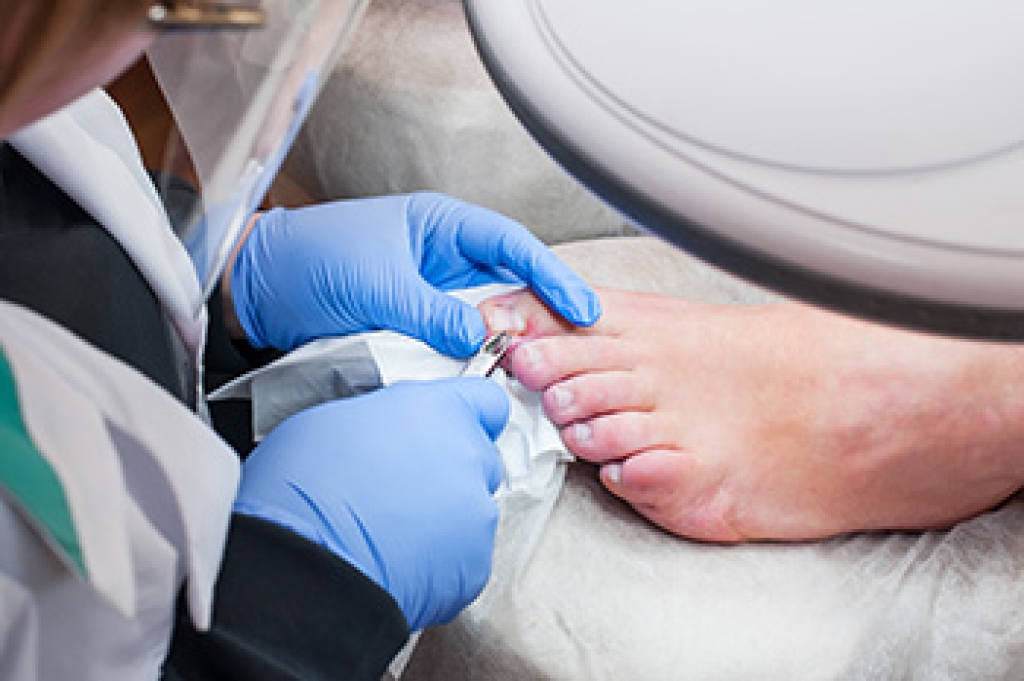
Reasons for toenail removal often relate to ongoing pain or damage that does not improve with standard care. An ingrown toenail is a common cause, where the nail edge grows into the skin and leads to swelling and infection. Thick, discolored nails from a fungal infection can also require removal when the nail becomes painful or unstable. Trauma from an injury may damage the nail so severely that it cannot grow back normally. In some cases, repeated infections or deformity make removal the best option to restore comfort. A podiatrist can examine the toe, explain the problem, and perform a safe, in-office procedure to remove part or all of the nail. The procedure is done with numbing medicine to keep you comfortable. This helps relieve pain and allows healthier nail growth. If you have constant pain from a toenail, it is suggested that you make an appointment with a podiatrist for help.

Toe pain can disrupt your daily activities. If you have any concerns, contact one of our doctors of The Ankle and Foot Clinic of Northern Virginia, PLLC. Our doctors can provide the care you need to keep you pain-free and on your feet.

What Causes Toe Pain?

Most severe toe pain is caused due to a sports injury, trauma from dropping something heavy on the toe, or bumping into something rigid. Other problems can develop over time for various reasons.

Toe pain can be caused by one or more ailments. The most common include:

  • Trauma
  • Sports injury
  • Wearing shoes that are too tight
  • Arthritis
  • Gout
  • Corns and calluses
  • Hammertoe
  • Bunions
  • Blisters
  • Ingrown toenails
  • Sprains
  • Fractures (broken bones)
  • Dislocations

When to See a Podiatrist

  • Severe pain
  • Persistent pain that lasts more than a week
  • Signs of infection
  • Continued swelling
  • Pain that prevents walking

Diagnosis

In many cases the cause of toe pain is obvious, but in others, a podiatrist may want to use more advanced methods to determine the problem. These can range from simple visual inspections and sensation tests to X-rays and MRI scans. Prior medical history, family medical history, and any recent physical traumatic events will all be taken into consideration for a proper diagnosis.

Treatment

Treatments for toe pain and injuries vary and may include shoe inserts, padding, taping, medicines, injections, and in some cases, surgery. If you believe that you have broken a toe, please see a podiatrist as soon as possible.

If you have any questions please contact our office located in Gainesville, VA . We offer the newest diagnostic and treatment technologies for all your foot and ankle needs.

Read more about Toe Pain
scroll to top